

The Allure of Chance and Uncertainty
The thrill of gambling often stems from the unpredictable nature of games of chance. Players are drawn to the excitement of not knowing the outcome, which can trigger a rush of adrenaline. This unpredictability creates a unique psychological experience, where the possibility of winning large sums of money enhances the excitement. If you want to learn more about this phenomenon, click here to discover additional insights. The anticipation builds with every spin of the wheel or turn of a card, serving as a powerful motivator for players.
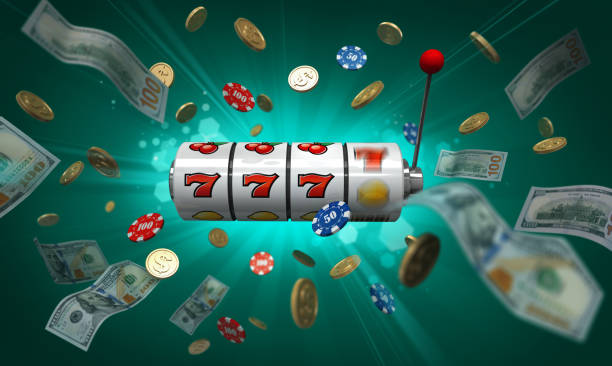
Moreover, the human brain is wired to respond positively to risk and reward scenarios. When players gamble, they engage in a cycle of hope and fear, which can be exhilarating. This emotional rollercoaster can lead to a temporary escape from reality, making gambling an attractive option for those seeking thrill or distraction.
Social Influences and Community Aspect
Casino gambling is often a social activity, with players enjoying the camaraderie found in various gaming environments. This social aspect can significantly motivate individuals to participate in gambling. The interactions with fellow players create a sense of belonging and shared experience, enhancing the overall enjoyment. Casinos are designed to be inviting spaces that promote socialization, further encouraging people to engage in gambling activities.
In addition, the peer pressure associated with gambling can play a significant role in driving players to gamble. Being surrounded by friends or acquaintances who are gambling can enhance an individual’s desire to join in. This social influence is amplified in group settings, where the energy and excitement of those around can encourage participation.
The Role of Reward Systems and Reinforcement
At the core of gambling psychology is the concept of reinforcement. Casinos are structured to maximize players’ engagement through various reward systems, including bonuses, free spins, and jackpots. These rewards trigger the brain’s pleasure center, encouraging players to keep returning for more. Each win, no matter how small, reinforces the behavior, leading to a cycle of continuous play.
The use of near-misses in gaming machines also plays a critical role in keeping players engaged. Research suggests that these situations can be more motivating than actual wins, as they create an illusion of potential success. This psychological trick feeds into the player’s desire to keep playing, driven by the hope of a bigger reward just within reach.
The Emotional Connection to Gambling
Many players form emotional attachments to the act of gambling itself. For some, it becomes a form of escapism, offering a way to deal with stress or personal issues. This emotional connection can make it challenging for individuals to recognize when their gambling behavior becomes problematic. As players seek solace in the thrill of gambling, they may overlook the negative consequences that can arise from excessive play.
Additionally, the excitement of gambling can create a sense of identity for individuals. Being recognized as a “gambler” can lead to both social acceptance and personal validation, which reinforces the behavior. This emotional investment can complicate a player’s relationship with gambling, making it hard to step back and evaluate their habits critically.
Enhancing Your Understanding of Gambling Psychology
At our website, we delve deeper into the intricacies of casino gambling and the psychological drivers behind it. Our aim is to provide valuable insights that can help you understand the motivations of players and the dynamics of gambling behavior. By exploring these aspects, we hope to empower readers to make informed decisions about their own gambling experiences.
Whether you are a casual player or someone interested in the broader implications of gambling, our resources are designed to enhance your understanding. We encourage you to explore our offerings for a more comprehensive view of the psychological factors at play in the world of casino gambling.


Sorry, the comment form is closed at this time.